







Search Results for: Orthonasal olfaction

Does coffee flavor rely on tasting or smelling? Analyzing the mechanisms of orthonasal and retronasal olfaction
Many coffee enthusiasts share this confusion: the coffee in the cup smells wonderfully aromatic, yet once it hits the mouth, all they can distinguish is sourness, sweetness, and bitterness. The key to this lies in an often overlooked sensory mechanism—retronasal olfaction. Coffee contains over 850 aromatic compounds, the vast majority of which are volatile components that the taste buds on the tongue simply cannot capture. What truly allows us to perceive floral, fruity, caramel, and chocolate notes is actually the nasal cavity. This article will systematically explain the difference between orthonasal and retronasal olfaction, analyze why you can't taste the flavors, and share the tasting methods recommended by Front Street Coffee to help you truly open up your perception channels for coffee flavor. [more…]
Analyzing the Sources of Coffee Sweetness: Orthonasal and Retronasal Olfactory Mechanisms and Recommendations for Low-Acid, Non-Bitter Pour-Over Beans
Have you ever been puzzled when you ordered a "high-sweetness" black coffee, only to taste nothing but sourness and bitterness? Where exactly does the sweetness in coffee come from? Starting from the sugars in green coffee beans, this article analyzes the transformation of sugars during roasting and reveals that sweetness does not come directly from sugars, but instead relies on the sense of smell—especially the combined effect of orthonasal and retronasal olfaction. We will also share how to train your ability to perceive sweetness, and recommend Front Street Strawberry Candy, Front Street Blackberry, Front Street Sidra, Front Street Florals, and Front Street Queen's Estate—coffee beans with prominent sweet aromas—to help you easily capture that alluring touch of sweetness in your cup. [more…]

Coffee smells fragrant but doesn't taste fragrant when you drink it? Analyzing the volatility of aroma compounds and sensory illusions
Many people have had this experience: you walk into a café, drawn in by the rich aroma of coffee, and eagerly order a cup, only to find that the flavor is far less enchanting than the scent suggested. This contrast of "smells great, tastes bland" is actually closely tied to the mechanisms of human smell and taste, as well as to the volatility of the aromatic compounds in coffee. Starting from the principles of sensory perception, this article will explain the difference between orthonasal and retronasal olfaction, clarify why the aroma you smell and the flavor you taste do not match, and introduce you to the basic properties of coffee's aromatic compounds. [more…]
Pour-over espresso has a rich aroma but tastes bitter on the palate? Analyzing the difference between smelling and tasting from a sensory mechanism perspective
Many coffee enthusiasts, when grinding and brewing specialty coffee, are drawn in by alluring aromas like strawberry, jasmine, citrus, and honey, yet after one sip, they often taste pronounced bitterness and acidity, a far cry from the expected sweetness. This phenomenon of smelling fragrant but tasting bitter actually stems from the different sensory systems we engage when smelling versus tasting. This article, starting from this topic often discussed at Front Street, will analyze in detail the mechanisms of orthonasal and retronasal olfaction, explain the changes in aroma compounds within the oral cavity, and why the impact of taste overshadows aroma perception. At the same time, we will also share a simple and practical tip—closed-mouth exhale—to help you capture richer layers of aroma after swallowing coffee, and demonstrate flavor expression with practical examples. [more…]

A Guide to Improving Coffee Flavor Perception: A Complete Analysis from Using the Flavor Wheel to the Mechanisms of Aroma Discrimination
The world of coffee flavor is richly layered, but many people can only taste sourness and bitterness, struggling to capture those stunningly delicate aromas. To truly appreciate the value of an expensive cup of coffee, you need to systematically train your flavor perception. From the perspective of Front Street, this article breaks down the composition of coffee flavor—how taste and aroma combine—explains in depth the chemical makeup and volatile characteristics of coffee aroma, and introduces the two mechanisms by which the human body perceives aroma: orthonasal and retronasal olfaction. At the same time, the article details how to use the Super Clear Flavor Wheel to make abstract flavors concrete, and how to gradually build a personal aroma memory bank by drinking more, smelling more, and feeling more, ultimately improving your precision in discerning coffee flavors. [more…]

Analyzing the Relationship Between Arabica Coffee Sweetness and Roast Level: Describing the Sweetness of Pour-Over Black Coffee and the Sweet, Sour, and Bitter Performance of Medium Roasts
Is coffee actually bitter, sour, or sweet? With the same pot of coffee, different people often taste completely different things. This article starts from the causes of sweetness in coffee cherries and sorts out how variety, altitude, processing method, and roast level affect the retention and transformation of sugars in coffee beans. It focuses on explaining why medium and medium-light roasts are more likely to present flavors in a sweet direction, and recommends specific beans such as Front Street Strawberry Candy, Front Street Blackberry, and Front Street Mozart. It also explains the difference between sweetness and the perception of sweetness, analyzes the "sweet aftertaste" of bitter coffee, the sweet-sour balance of sour coffee, and how orthonasal and retronasal olfaction participate in judging sweetness, helping coffee lovers describe the sweetness of hand-brewed black coffee more accurately. [more…]

Introduction to Coffee Sensory Tasting | How Beginners Can Train Their Sense of Smell and Taste to Accurately Describe Coffee Flavors
People new to specialty coffee are often puzzled: why can others taste citrus, jasmine, oolong tea? Can a cup of coffee really have so many flavors? In fact, the key to identifying coffee flavors lies not in the taste buds, but in the sense of smell. This article will take you from the principles of sensory perception to understand how the taste buds and orthonasal and retronasal olfaction work together, introduce tasting dimensions such as aroma, sweetness, acidity, mouthfeel, flavor, aftertaste, and balance, and offer sensory-training methods that beginners can put into practice—building a flavor memory bank, making good use of the coffee flavor wheel, exercising associative thinking, accumulating through more exchanges, and paying attention to diet and upkeep. The article also combines examples from Front Street Coffee to help you build your own sensory system step by step. [more…]
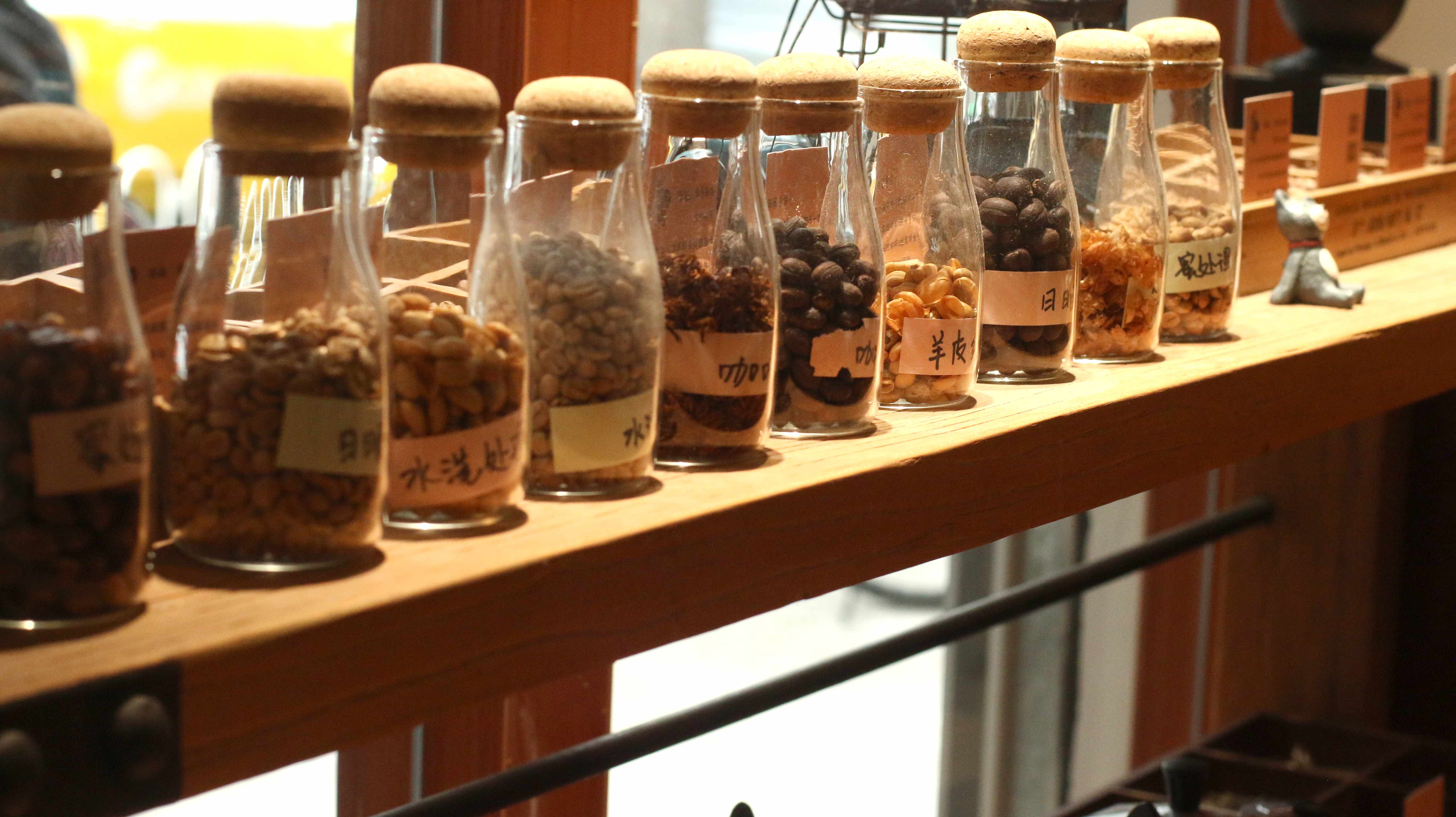
The True Meaning of Coffee Sweetness: From Taste to Smell, Decoding How Extracted Compounds Influence Sweetness Perception
Have you ever walked into a café, ordered a cup of coffee that's "a little sweeter," only to be handed a dark, bitter liquid while the barista insists it has high sweetness? The "sweetness" of coffee actually has two dimensions: objective sweetness intensity and subjective perceived sweetness. Sweetness intensity depends on variety, processing method, and roast profile, while perceived sweetness is closely tied to extraction technique and sensory sensitivity. This article breaks down the sources of coffee sweetness one by one—from taste balance and the sweet aftertaste that follows bitterness, to the "illusion of sweetness" created by retronasal olfaction—and recommends several Front Street Coffee beans with prominent sweetness to help you truly understand what baristas mean by "sweet." [more…]
Where Does Coffee Sweetness Come From: How Variety, Processing, and Roast Extraction Together Shape the Sweetness of Pour-Over Black Coffee
Is coffee actually sweet? This question has long been debated among coffee enthusiasts. When different people drink the same pot of coffee, some find it sweet as honey, while others taste only bitterness. In fact, the sweetness of coffee is not determined by a single factor; it begins with the variety of the coffee fruit, the growing altitude, and the ripeness at harvest, then undergoes transformation through processing and roasting, and is finally perceived during brewing, extraction, and tasting. This article will systematically sort out the material basis of coffee sweetness, the sensory mechanisms, and how to regulate the balance of acidity, sweetness, and bitterness through brewing, to help you more clearly understand and capture that pleasant sweetness in pour-over black coffee. [more…]
SCA Coffee Sensory Evaluation Course | Why Does Pour-Over Coffee Taste Sour or Bitter? How Should Beginners Taste Single-Origin Black Coffee?
“How do you taste citrus in coffee?” Quite a few friends say they envy baristas for being able to casually name the specific flavors in coffee. Some friends also say, I can taste that the coffee is acidic, but that’s far from the citrus you’re talking about. Still others say flavors are all just nonsense. Front Street, in its daily online [more…]
How to Taste the Floral and Fruity Notes of Light Roast Coffee, with a Recommended List of Five Floral-Flavored Coffee Beans
In the world of specialty coffee, fruity and floral notes are arguably the most fascinating yet most confusing flavor labels. Many people who are just getting into coffee often wonder: why is it that others talk about white florals, tropical fruit, and citrus notes, while they themselves can't pick up on any of it? In fact, tasting fruity and floral notes is not some mystical art—it involves multiple aspects such as the mechanisms of smell, scent memory, and taste sensitivity. This article will start from the principles of sensory perception, explaining why some coffees are more likely to present floral and fruity notes, and will compile five light-roast floral coffees, covering different aroma types such as jasmine, orange blossom, rose, osmanthus, and coffee flower, as a reference for various brewing methods including pour-over and cold brew. [more…]

Coffee Sensory Tasting | How Can Coffee Novices Learn to Describe Coffee Flavors from Different Angles? How to Properly Develop Coffee Flavor Tasting Skills?
"This coffee has a rich fruity profile, with notes of citrus, lemon, oolong tea, and jasmine!!!" For someone who has just been introduced to specialty coffee, this might sound unbelievable—how can you taste so many flavors in one cup of coffee! (Are they just making it up?) In this installment of Barista Growth Diary, we'll share a little [more…]
Is There Really Umami in Coffee? Analyzing the Perception Mechanism and Tasting Misconceptions of the Fifth Taste
Sour, sweet, bitter, salty, and umami—among the five basic tastes, umami has always been a controversial topic in coffee. In the specialty coffee wave, "umami" occasionally appears in flavor descriptions, and the word has even been seen on the packaging of Front Street Coffee's Panama Geisha. Can coffee really taste umami? This article starts with the scientific origins of umami, sorts out the relationship between glutamate and taste thresholds, analyzes the essence of umami perception in coffee, and reveals how saltiness "disguises" itself as umami, helping you understand the complex layers of coffee flavor more accurately. [more…]
Kenya Pour-Over Coffee Water Temperature Guide: How to Brew a Juicy, Cherry Tomato-Like Cup
Kenyan coffee is famous for its bright fruit acidity and full-bodied berry flavors, yet many enthusiasts often run into over-extraction or a weak, watery cup when brewing at home. So what water temperature is needed to bring out the signature tomato-juice-like mouthfeel of Kenyan beans? Drawing on Front Street Coffee's cupping experience, this article breaks down where that juicy flavor comes from and, using Kenyan Cherry Tomato coffee beans as an example, shares practical advice on pour-over water temperature. Whether you're chasing citrus acidity or berry sweetness, mastering water temperature—this key variable—can take your coffee's juicy experience to the next level. [more…]

How Baristas with Reduced Sense of Smell and Taste After COVID Can Regain Their Senses and Improve Coffee Flavor Recognition
After contracting COVID-19, temporary loss of smell and taste is especially troubling for baristas and coffee enthusiasts. Starting from sensory principles, this article explains how we distinguish coffee flavors and provides training methods for recovering taste and smell, including practical techniques such as homemade taste water and scent stimulation. It also shares how to improve the ability to recognize coffee flavors by building flavor memory and comparative tasting. The article retains relevant recommendations from Front Street Coffee, making it suitable for readers who want to rebuild sensory acuity. [more…]

Why Does Plain Water Taste Sweet After Coffee? Exploring the Relationship Between Sweet Aftertaste, Oil Residue, and Taste Sensitivity
Many people, after finishing a cup of coffee and then taking a sip of plain water, are surprised to find that the water actually tastes sweet. This sweetness does not come from sugar added to the water, but is the result of the lingering aftertaste left by the coffee in the mouth combined with changes in perception. Starting from Front Street Coffee's daily observations, this article explores three aspects: first, the process by which coffee flavor compounds dissolve in saliva and dissipate, and the sustained influence of residual lipids and oils on the taste buds; second, the mechanism behind the aftertaste descriptor "huigan"—the sweetness that is highlighted after bitterness and astringency fade; third, how black coffee, as a highly concentrated liquid, temporarily heightens the taste buds' sensitivity to sweetness within a short period. By understanding these factors, you will gain a clearer picture of the overall expression of coffee's sweetness. [more…]
A Complete Guide to Tasting Mandheling Coffee: A Practical Guide to Aroma, Taste, Flavor, Mouthfeel, and Aftertaste
Tasting a cup of coffee is not mysterious. As long as you follow a systematic method, you can accurately judge its quality and fluently describe your impressions. From the perspective of Front Street, this article breaks coffee tasting into five steps—aroma, taste, flavor, mouthfeel, and aftertaste—and explains the key points and descriptive techniques for each stage one by one. It then uses PWN Golden Mandheling as an example to show how to apply this method to the tasting practice of a specific coffee, helping readers fully master the appreciation logic of Mandheling coffee from aroma to aftertaste. [more…]
Indonesian PWN Golden Mandheling Coffee Bean Flavor Characteristics and Front Street Coffee's Complete Guide to the Five-Step Tasting Method
Tasting a cup of coffee is not mysterious or unfathomable—master a systematic method and you can clearly and methodically judge its quality. This article starts from Front Street's five-step tasting method, breaking down in turn the five stages of aroma, taste, flavor, mouthfeel, and aftertaste, helping coffee lovers build a complete sensory evaluation framework. On this basis, it further focuses on Indonesian PWN Golden Mandheling coffee beans, introducing their strict screening standards and grading system, and providing specific tasting references—from the hazelnut notes in the dry aroma to the black chocolate and caramel flavors after sipping, presenting this signature Mandheling's clean, full-bodied, and richly layered overall performance. [more…]
A Complete Guide to the Five Steps of Single-Origin Coffee Tasting: From Aroma to Aftertaste, with Notes on Golden Mandheling Flavor Profile
To accurately evaluate the quality of a cup of coffee, there is actually a tasting logic that can be followed. Front Street breaks down the tasting of single-origin coffee into five steps: aroma, taste, flavor, mouthfeel, and aftertaste, each with specific points of perception and methods of description. Once you have mastered this process, whether for daily drinking or writing tasting notes, you will be able to express your impressions in a more organized way. The second half of the article uses Front Street PWN Golden Mandheling coffee to show how to apply the tasting framework to a specific bean type and experience Mandheling's signature richness, caramel, and spice notes. [more…]
A Beginner's Guide to Coffee Tasting: From Aroma to Aftertaste, Master the Core Techniques of Flavor Description in Five Steps
Many friends who are just getting into specialty coffee, when faced with a cup, can only say "it's good" or "it tastes like coffee," while those around them can rattle off professional terms like floral notes, fruity acidity, and body. In fact, coffee tasting is not a gift—it is a method that follows a set of rules. Drawing on Front Street's practical experience, this article systematically explains the five key steps of coffee tasting—aroma, taste, flavor, mouthfeel, and aftertaste—to help you build a complete tasting framework, learn to translate sensory experience into precise language, and bid farewell to being at a loss for words, truly understanding every layer of expression in the cup. [more…]